
A domestic violence case under the Protection of Women from Domestic Violence Act, 2005 (the DV Act) is a civil remedy filed before a magistrate. It is meant to stop the violence and to protect the woman’s right to stay in her home and to financial support. It does not, by itself, send anyone to jail. That is the main difference from a criminal complaint of cruelty under Sections 85 and 86 BNS (the old 498A IPC).
The application is made under Section 12 of the Act. The magistrate can pass protection orders, residence orders, money orders, custody orders and compensation, and can pass urgent interim orders, sometimes on the first day.
If you are in danger right now, call 112 (the national emergency number) or 181 (the women’s helpline). Leave the house if you need to. The legal steps below can follow.
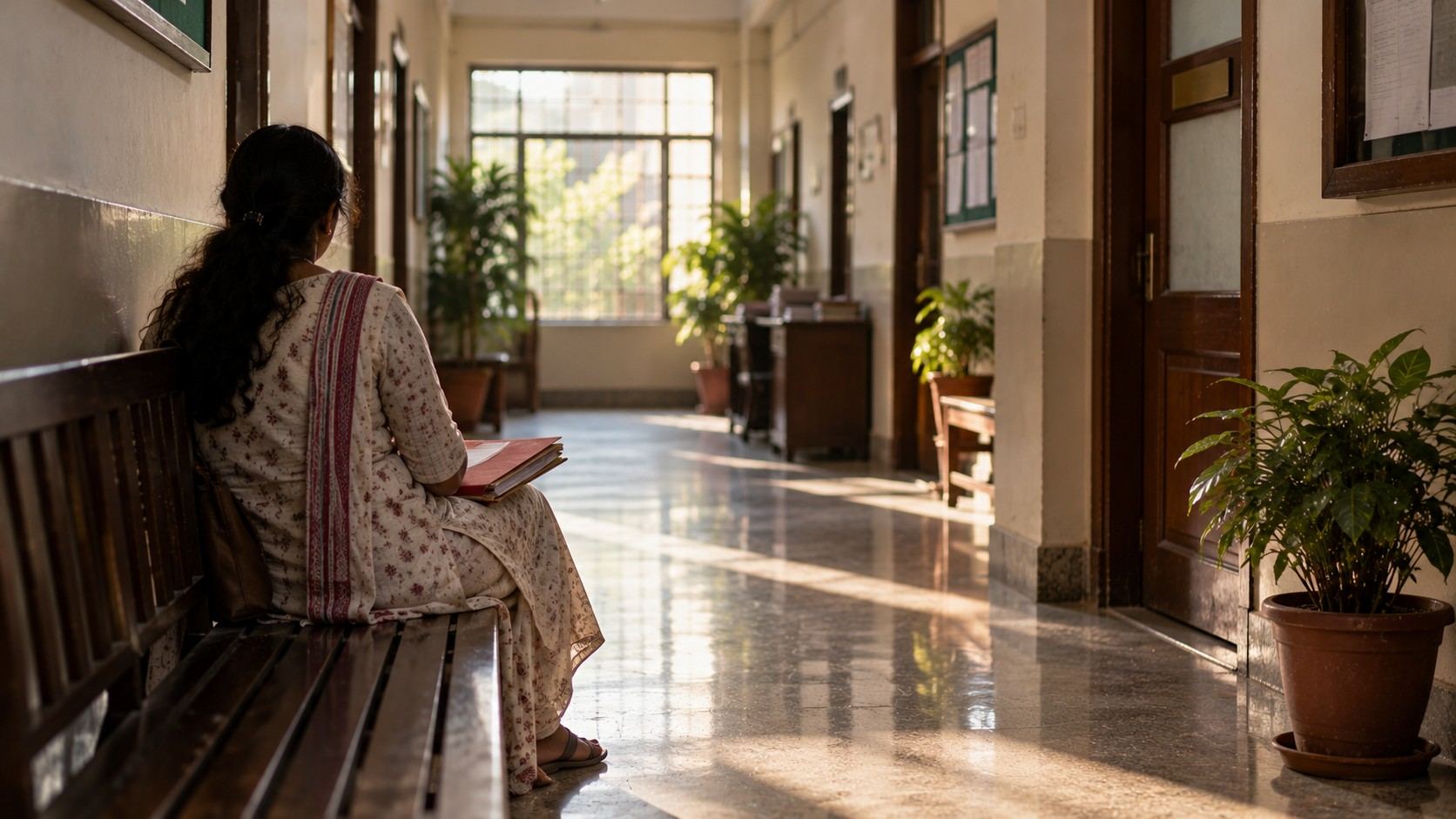
What counts as domestic violence
The Act defines domestic violence widely. It includes:
- physical abuse: hitting, pushing, any act that causes bodily pain or harm
- sexual abuse: any conduct of a sexual nature that humiliates or degrades
- verbal and emotional abuse: insults, name-calling, ridicule, threats, especially about not having a child or a son
- economic abuse: taking away her salary or stridhan, stopping household money, forcing her out of the shared home, selling her belongings
The woman must be in a domestic relationship with the respondent: a wife, a woman in a relationship in the nature of marriage, a mother, sister, daughter or widow living in the same household. The complaint can be against the husband or partner and also against his relatives, though courts look closely at what each relative is said to have done.
Who helps you file: the protection officer
Every district has protection officers appointed by the state government. In Karnataka, these duties are generally carried out by the Child Development Project Officers (CDPOs) of the Women and Child Development department. A protection officer can:
- record a Domestic Incident Report (DIR) of what happened
- help you file the application before the magistrate
- arrange shelter, medical help and legal aid
- serve the court’s notice on the other side
You can also go straight to the magistrate through an advocate, or ask the police, a recognised service provider or the District Legal Services Authority for help. The DIR is helpful but not compulsory to start the case. The magistrate must, however, consider any DIR received before passing an order.
The Section 12 application and the magistrate’s court
The application is filed before the Judicial Magistrate First Class where the woman lives, where the respondent lives, or where the violence happened. In Bengaluru, these cases are heard by the magistrate courts, and the woman’s residence is usually the deciding factor for which court.
The Act sets out these timelines:
| Step | What the law says |
|---|---|
| First hearing | Ordinarily within three days of the court receiving the application (Section 12(4)) |
| Service of notice | Protection officer to serve within two days, or such time as the magistrate allows (Section 13) |
| Final decision | Magistrate to try to dispose of the case within sixty days (Section 12(5)) |
In practice, the sixty-day target is often not met in busy courts. The interim orders matter most, because they protect you while the case goes on. If either party asks and the circumstances call for it, the magistrate can hold the hearing in camera.
The orders a magistrate can pass: Sections 18 to 22
| Section | Order | What it does |
|---|---|---|
| 18 | Protection order | Stops the respondent from committing violence, entering your workplace, contacting you, or operating joint bank accounts or lockers |
| 19 | Residence order | Stops you being thrown out of the shared household, or directs the respondent to stay away or pay rent for alternative housing |
| 20 | Monetary relief | Covers expenses and losses: medical costs, lost earnings, destroyed property and maintenance for you and your children |
| 21 | Custody order | Temporary custody of children, with or without visits for the respondent |
| 22 | Compensation | Damages for injuries, including mental torture and emotional distress |
Under Section 23, the magistrate can pass interim and even ex parte orders, if the application shows a prima facie case of violence or a likelihood of it.
The residence order is often the most important. Under Section 17, a woman in a domestic relationship has a right to reside in the shared household whether or not she owns any share in it. Instead of returning her to the house, the court can also direct the respondent to arrange alternative accommodation of the same standard, or pay its rent.
If the order is broken
Breaking a protection order or an interim protection order is a criminal offence under Section 31 of the Act. It can be punished with imprisonment up to one year, a fine up to twenty thousand rupees, or both. If an order is breached, report it to the police and inform the magistrate who passed it.
DV case alongside other cases
A DV case often runs at the same time as other proceedings:
- a criminal complaint of cruelty under Sections 85 and 86 BNS (old 498A)
- a maintenance case under Section 144 BNSS
- a divorce or custody case in the Bengaluru family court
Under Section 26 of the Act, the same reliefs can also be asked for in a pending family court or civil case. Maintenance under different cases is adjusted against each other, so you are not paid twice for the same thing.
If a DV case has been filed against you
Take it seriously and appear on the date. Attend with an advocate, file your reply, and comply with every interim order, even if you think it is unfair. You can challenge it, but breaking it is a separate offence. Do not contact or confront the woman, and do not remove her belongings from the house. An appeal from the magistrate’s order lies to the Sessions Court within thirty days.
The DV Act protects women who are being harmed. Courts also watch for applications filed only as a counter to a divorce, and they decide on evidence. Both sides are heard.
Questions people ask
How long does a domestic violence case take in India?
The Act asks magistrates to try to finish within sixty days, but contested cases in busy courts usually take longer. Interim protection and residence orders can come much sooner, sometimes on the first hearing.
Can a DV case be filed without a police complaint?
Yes. You can apply directly to the magistrate, or through the protection officer. A police FIR is a separate criminal route and is not required for a DV Act case.
Can I be thrown out of my husband’s house?
The DV Act protects a woman’s right to live in the shared household, even if she has no ownership share. The magistrate can pass a residence order stopping her from being dispossessed.
What is a Domestic Incident Report?
It is a record of the incidents of violence, prepared by a protection officer or service provider in a prescribed form. The magistrate considers it before passing orders.
Is a domestic violence case criminal or civil?
The reliefs under the DV Act are civil in nature, though the case is heard by a magistrate. Breaking a protection order is a criminal offence under Section 31.
Talk to us about your matter
Call or WhatsApp to fix a time. Bring your papers to the office in Rajarajeshwari Nagar.
This article is general information about the law as it stood when it was written. Your facts change the answer. Speak to an advocate before you act on it.