
The bank returns the cheque with a slip that says “Funds Insufficient” or “Payment Stopped by Drawer”. That slip, the return memo, starts a clock. What you do in the next 30 days decides whether you have a case at all.
This article is written for both sides: the person holding the bounced cheque, and the person who gave it.
If you are holding the bounced cheque
Step 1: Check the dates
A cheque is valid for three months from the date written on it. If it was presented within that time and bounced, you can use Section 138 of the Negotiable Instruments Act.
Note the date you received the return memo from your bank. Everything else counts from that.
Step 2: Send the legal notice within 30 days
Within 30 days of getting the return memo, send a written demand notice to the person who signed the cheque. It must:
- state that the cheque was dishonoured, with the cheque number, date, amount and bank
- demand payment of the cheque amount within 15 days
- be sent to the correct address, by registered post or speed post, and ideally by other modes too
Keep the postal receipts and the tracking record. A notice demanding the wrong amount, or sent to a wrong address, gives the other side a defence.
Step 3: Wait 15 days
The drawer has 15 days from receiving the notice to pay. If they pay, the matter ends there.
Step 4: File the complaint within one month
If they do not pay, the offence is complete on the 16th day. You then have one month to file a complaint before the magistrate. The complaint is filed in the court with jurisdiction over your bank branch, the one where you deposited the cheque.
You will need:
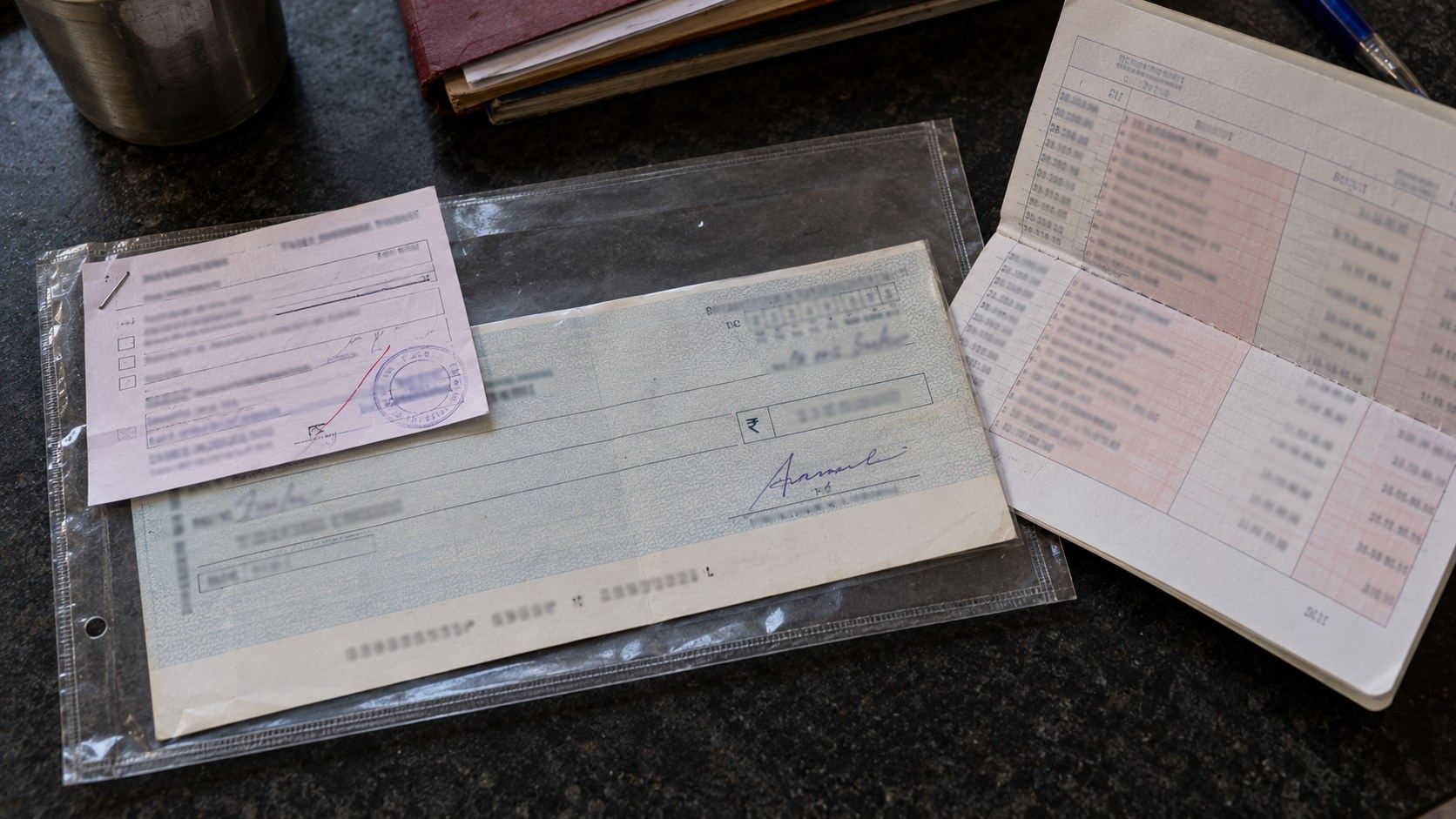
- the original cheque and return memo
- a copy of the notice and postal receipts, and the delivery report
- proof of the debt: loan agreement, bank transfers, invoices, messages
- your sworn statement
What you can ask for in court
Once the accused appears, you can ask for interim compensation of up to 20% of the cheque amount under Section 143A. If the accused is convicted and appeals, the appellate court usually orders a deposit of at least 20% of the fine or compensation under Section 148. Both provisions were added to stop cases from being dragged out.
If you gave the cheque
Do not ignore the notice
A cheque bounce notice reply sent within the 15 days can set out your side early: the debt was paid, the cheque was given as security for something else, the amount is wrong, or there was never a legally enforceable debt. A good reply is often what pushes the other side toward settlement.
Common defences
- There was no legally enforceable debt behind the cheque
- The debt was already repaid, fully or partly
- The notice was defective, late, or demanded a different amount
- The complaint was filed after the time limit
- The cheque was misused, filled in with a different amount, or given for a different purpose
Courts presume that a signed cheque was given for a debt. The burden is on you to show otherwise, so documents matter.
Can you go to jail for a bounced cheque?
The law allows up to two years in prison, a fine up to twice the cheque amount, or both. Courts in practice tend to focus on getting the money paid, and many cases end with compensation rather than jail.
What makes things worse is ignoring the court. If you do not appear after the summons, the court can issue a warrant. Appear, get bail if needed (the offence is bailable), and deal with the case.
Settling the case
A Section 138 case can be compounded, meaning settled, at any stage: before trial, during trial, or even in appeal. Many cases in Bengaluru close at a Lok Adalat or by a settlement recorded in court. Settling early usually costs less, because the Supreme Court’s guidelines allow courts to impose costs that rise the later you settle.
Questions people ask
What is the time limit to send a cheque bounce notice?
Thirty days from the day you receive the return memo from your bank.
Can I file a cheque bounce case if the cheque was given as security?
Often yes. If a debt existed and was due when the cheque was presented, a security cheque can still lead to a Section 138 case. If no debt was due, the giver has a defence. The facts decide it.
Can you go to jail for cheque bounce in India?
The maximum punishment is two years in jail, a fine of up to twice the cheque amount, or both. Most cases end in payment or settlement.
What is the court fee for a cheque bounce case in Karnataka?
It is calculated on the cheque amount under the Karnataka court fee rules. Your lawyer will tell you the exact figure before filing.
Talk to us about your matter
Call or WhatsApp to fix a time. Bring your papers to the office in Rajarajeshwari Nagar.
This article is general information about the law as it stood when it was written. Your facts change the answer. Speak to an advocate before you act on it.